


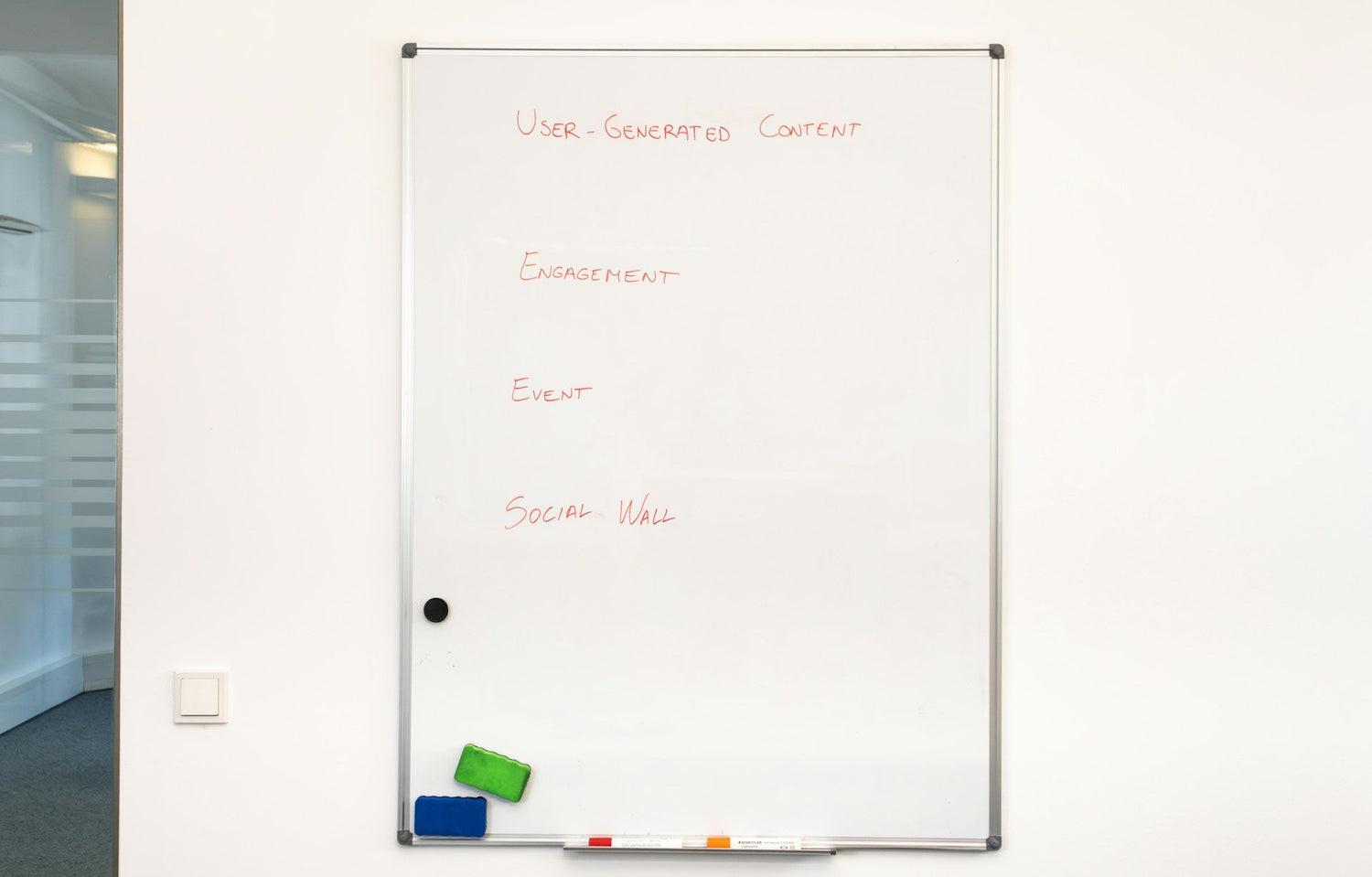
Few classroom things are more frustrating than a whiteboard that never looks fully clean. Even after erasing, faint marks linger, making the board harder to read and lessons feel messier than they need to be.
This issue—often called ghosting—is common in classrooms, but it’s not unavoidable.
What Is Whiteboard Ghosting in Classrooms?
Whiteboard ghosting happens when dry erase ink leaves behind residue after erasing. Over time, old writing builds up, making boards look gray or stained even when they’ve just been cleaned.
In most cases, ghosting isn’t a whiteboard problem—it’s a tools and habits problem.
Why Whiteboard Erasers Leave Ghosting
Several factors contribute to ghosting in daily classroom use:
-
Low-quality eraser material that doesn’t lift ink evenly
-
Worn-out erasers that spread residue instead of removing it
-
Uneven pressure while erasing, leaving streaks behind
-
Markers left on the board too long, especially overnight
When these issues repeat over time, ghosting becomes harder to ignore.
Common Types of Whiteboard Erasers Used in Classrooms
Basic felt erasers
Affordable and common, but they wear down quickly and lose effectiveness with heavy use.
Old or shared erasers
When erasers aren’t cleaned or replaced, they tend to smear ink rather than remove it.
Paper towels or tissues
Helpful in a pinch, but they often leave streaks and don’t clean evenly.
What to Look for in a Classroom Whiteboard Eraser
Teachers who deal with less ghosting often use erasers that:
-
Have dense, even cleaning surfaces
-
Apply pressure consistently across the board
-
Hold up to daily classroom use
Some teachers prefer dry erase erasers designed for classroom use, especially in rooms where whiteboards are used throughout the day.
How Teachers Can Reduce Whiteboard Ghosting
A few simple habits can make a noticeable difference:
-
Erase the board completely at the end of each day
-
Avoid leaving writing on the board overnight
-
Clean erasers occasionally to remove built-up ink dust
Clear boards also work best when markers and erasers are stored consistently, as part of a simple classroom organization routine for dry erase markers.
Final Thought
Ghosting isn’t just about appearances—it affects readability and focus. With the right eraser and a few consistent habits, whiteboards can stay clearer without extra effort.
If erasing feels harder than it should, it’s usually a sign that the tools—not the board—need attention.


Leave a comment
All comments are moderated before being published.
This site is protected by hCaptcha and the hCaptcha Privacy Policy and Terms of Service apply.